Breathe Easy: Instant Home Remedies and Secrets to Cure a Stuffy Nose
A stuffy nose, or nasal congestion, is an all-too-common annoyance that can disrupt your sleep, hinder your focus, and simply make life miserable. Whether it's due to a cold, allergies, or sinus infection, the feeling of not being able to breathe freely through your nose is incredibly frustrating. While often a temporary inconvenience, persistent nasal congestion can significantly impact your quality of life. The good news is that you don't always need a trip to the doctor for relief. This comprehensive guide will explore effective, immediate home remedies and lifestyle adjustments designed to help you *cure a stuffy nose* and breathe easier, offering both quick fixes and long-term strategies.
Immediate Relief: Quick Fixes for Stuffy Noses
When your nose feels blocked and breathing becomes a chore, you need fast-acting solutions. These methods focus on thinning mucus, reducing inflammation, and opening your nasal passages without delay.
- Steam Inhalation: Your Respiratory Spa Treatment
One of the most time-tested and effective ways to *treat a stuffy nose* is steam inhalation. The warm, moist air helps to thin out mucus, making it easier to expel, and moisturizes irritated nasal passages.
- Method 1: Hot Shower or Bath: Stand in a steamy shower or take a hot bath. The steam will naturally build up, providing immediate relief.
- Method 2: Bowl and Towel: Fill a bowl with hot (but not boiling) water. Drape a towel over your head, lean over the bowl, and inhale the steam for 5-10 minutes. Be cautious not to burn yourself.
- Optional Boost: Add a few drops of eucalyptus or peppermint essential oil to the water. These oils contain compounds that can help open airways, but use them sparingly and ensure you're not sensitive to them.
- Saline Nasal Rinses or Sprays: Flushing Away Congestion
Saline solutions are your best friend for physically clearing out nasal passages. They help to wash away irritants, allergens, and excess mucus, providing immediate comfort.
- Neti Pot or Nasal Rinse Bottle: Use a neti pot or a squeeze bottle with a saline solution to irrigate your nasal passages. Always use distilled, sterile, or previously boiled and cooled water to prevent infections.
- Saline Nasal Sprays: For a less intensive approach, over-the-counter saline nasal sprays can keep your nasal passages moist and help thin mucus throughout the day.
- Warm Compress: Soothing Sinus Pressure
Applying warmth to your face can help relieve the pressure and discomfort associated with a stuffy nose.
- How to Use: Soak a clean washcloth in warm water, wring out the excess, and place it over your forehead and nose for 10-15 minutes. The warmth helps to open up blood vessels and ease congestion.
- Stay Hydrated: The Inner Flush
Drinking plenty of fluids is crucial for keeping your mucus thin and flowing, making it easier to clear your nasal passages.
- What to Drink: Water, clear broths, herbal teas (ginger, peppermint, chamomile) are excellent choices. Avoid dehydrating beverages like excessive caffeine or alcohol.
Unlocking Nature's Pharmacy: Herbal and Natural Solutions
Beyond the quick fixes, nature offers a wealth of remedies that can help *cure a stuffy nose* and provide lasting comfort. These traditional approaches leverage the power of plants and simple techniques.
- Ginger Tea with Honey: An Anti-Inflammatory Elixir
Ginger is a natural anti-inflammatory, and when combined with the soothing properties of honey, it creates a powerful decongestant drink.
- Preparation: Slice fresh ginger root, simmer it in water for 10-15 minutes, strain, and add a teaspoon of honey. Drink warm several times a day.
- Spicy Foods: The Capsaicin Kick
Ever noticed your nose running after eating something spicy? That's capsaicin at work!
- Embrace the Heat: Foods containing chili peppers, horseradish, or wasabi can temporarily thin mucus and clear your sinuses, offering welcome relief.
- Elevate Your Head: Gravity's Helper
Sleeping flat can cause mucus to pool in your nasal passages, worsening congestion.
- Simple Adjustment: Prop your head up with an extra pillow or two while sleeping. This helps gravity drain mucus and reduces swelling, making it easier to breathe through the night.
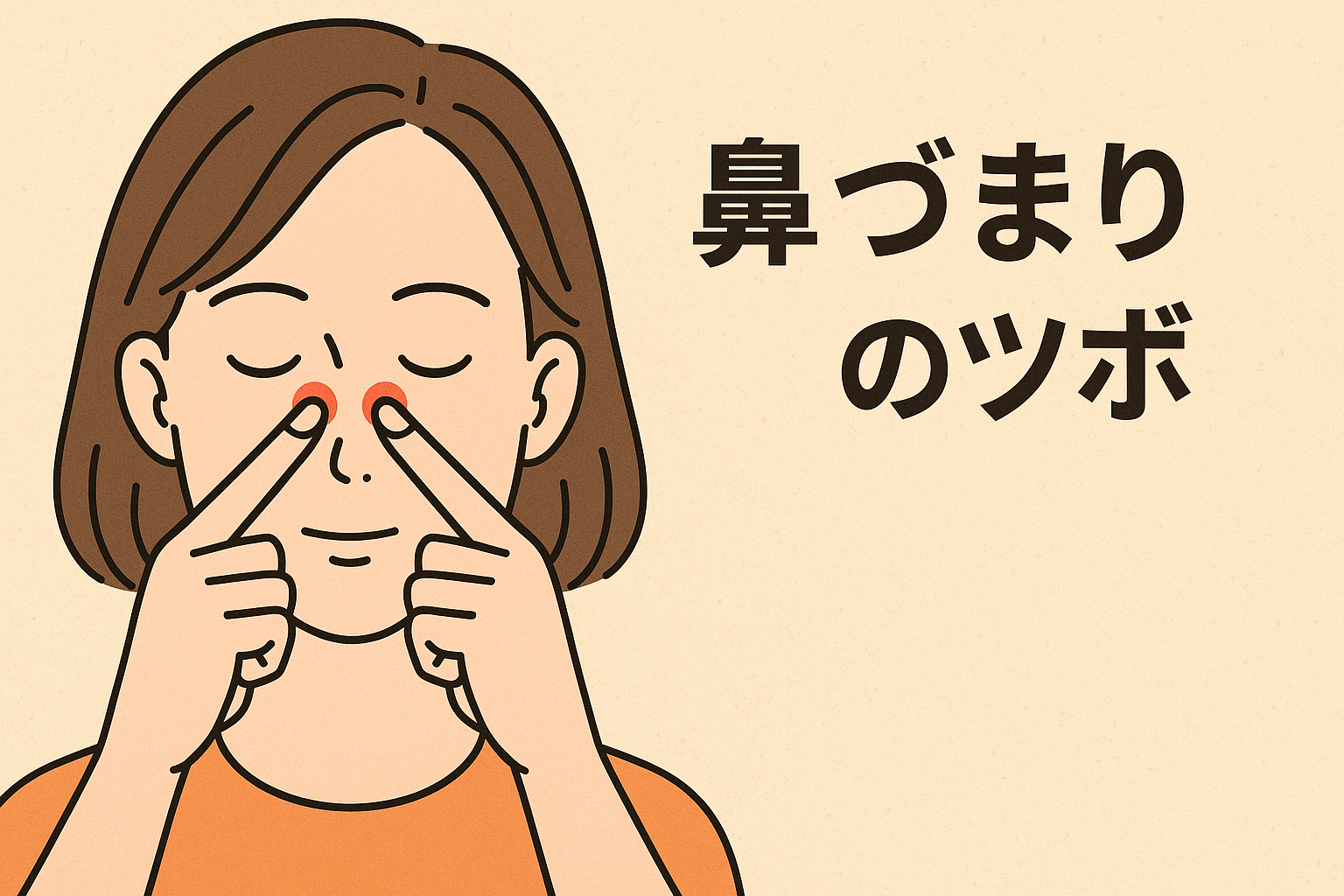
- Acupressure and Gentle Massage: Unblocking Pathways
Certain pressure points on the face can, when stimulated, help to alleviate nasal congestion.
- Technique: Use your index fingers to apply gentle pressure and massage in small circular motions on these points:
- The points on either side of your nostrils.
- The points at the base of your eyebrows, just above the bridge of your nose.
- The points on your temples.
Repeat for a minute or two, several times a day.
Lifestyle Adjustments for Long-Term Comfort
While immediate remedies are vital, adopting certain lifestyle changes can help prevent recurring congestion and provide a path towards a fundamental *cure for a stuffy nose*.
- Humidifiers: Adding Moisture to Your Environment
Dry air can irritate nasal passages and thicken mucus. A humidifier adds moisture back into the air, making it easier to breathe.
- Placement and Maintenance: Place a cool-mist humidifier in your bedroom. Crucially, clean it regularly according to the manufacturer's instructions to prevent the growth of mold and bacteria.
- Allergen Control: Identifying and Avoiding Triggers
For many, allergies are a primary cause of chronic nasal congestion. Identifying and minimizing exposure to allergens is a key step towards relief.
- Common Culprits: Dust mites, pollen, pet dander, and mold.
- Action Steps: Use allergen-proof bedding, vacuum regularly with a HEPA filter, keep windows closed during high pollen counts, and consider an air purifier.
- Dietary Considerations: What You Eat Matters
Some foods can either exacerbate or alleviate congestion.
- Dairy Products: For some individuals, dairy can thicken mucus. Experiment with reducing dairy intake to see if it makes a difference for your congestion.
- Anti-Inflammatory Foods: Incorporate foods rich in Omega-3 fatty acids (like fatty fish, flaxseeds) and antioxidants (berries, leafy greens) to help reduce overall inflammation.
- Regular Exercise: A Natural Decongestant
Light to moderate physical activity can temporarily improve blood circulation and help clear nasal passages.
- How it Helps: The increased heart rate and blood flow can act as a natural decongestant. However, avoid intense exercise if you feel unwell, and be mindful of outdoor allergens if exercising outside.
- When to Seek Professional Help: While home remedies are effective for many, it's important to know when to consult a doctor. If your stuffy nose persists for more than a week, is accompanied by a high fever, severe facial pain, green or yellow discharge, or recurs frequently, it could indicate a more serious condition like a bacterial sinus infection or chronic rhinitis. Addressing these underlying issues is key to a lasting 慢性的な鼻詰まりにサヨナラ:根本治療への道.
Over-the-Counter Options and Expert Advice
When home remedies aren't quite enough, over-the-counter (OTC) medications can offer additional relief, but it's essential to use them wisely and often with professional guidance.
- Decongestant Nasal Sprays: Quick but Cautionary
Sprays like oxymetazoline (Afrin) can shrink swollen blood vessels in the nose, providing rapid relief.
- Important Note: Use for no more than 3-5 days to avoid "rebound congestion," where your nose becomes even more stuffed up once you stop using the spray.
- Oral Decongestants: Systemic Relief
Medications containing pseudoephedrine or phenylephrine can help reduce swelling throughout your nasal passages.
- Considerations: These can cause side effects like increased heart rate, nervousness, or sleeplessness. Consult your pharmacist or doctor, especially if you have high blood pressure or heart conditions.
- Antihistamines: Targeting Allergies
If your stuffy nose is allergy-related, antihistamines (like cetirizine, loratadine, or fexofenadine) can help reduce the body's allergic response.
- Types: Non-drowsy options are available for daytime use, while drowsy formulations can aid sleep.
- Nasal Steroid Sprays: For Persistent Inflammation
Over-the-counter options like fluticasone propionate (Flonase) reduce inflammation in the nasal passages and are particularly effective for allergy-induced congestion.
- Usage: These take a few days to reach full effectiveness and are meant for regular, not just occasional, use.
- Consult a Pharmacist or Doctor: Always speak to a healthcare professional, like your local pharmacist, before starting any new OTC medication, especially if you have existing health conditions or are taking other medicines. For a more detailed look into pharmaceutical options and personalized recommendations, explore つらい鼻詰まりを解消!効果的な市販薬と専門家のアドバイス.
Conclusion
Living with a stuffy nose doesn't have to be a permanent state. By understanding the causes and applying a combination of immediate home remedies, natural solutions, and thoughtful lifestyle adjustments, you can effectively *cure a stuffy nose* and enjoy the simple pleasure of breathing freely. From the soothing power of steam and saline rinses to the anti-inflammatory benefits of ginger and the importance of allergen control, there are numerous strategies at your disposal. Remember to stay hydrated, elevate your head, and consider when professional medical advice or over-the-counter medications might be beneficial. With a little care and consistency, you can say goodbye to nasal congestion and welcome clearer, more comfortable breathing into your life.